School Days And Healthy Lunches

Monday was a big milestone for many parents. It was the start of another school year. It meant sending kids off for the first time or maybe it meant moving them up to another level of education.

I’ve observed all of it in a different way.

This is the first year I don’t have a child to send off to school. I had to buy no supplies or sign endless miles of back to school paperwork. I didn’t think of back to school clothes or what I needed to have on hand for lunches.  My alarm didn’t go off getting me moving to make sure everyone would be up and on time for the bus. No teacher conferences or meetings that drone on forever.

Maybe, I should’ve shed a tear or two over it.  I’ve had children in school for more years than I can count now so I’m ready to move on.

I say all that… but…. my kids aren’t really done with their education. I had two head out for college. One, in his second year. The other, back to Freshman status again.

They bought their own supplies. They figured out what they wanted to wear to school. They are adults so they are responsible to sign off on their own paperwork. They get themselves going and figure out what time they need to leave.

It’s all very….. wonderful.

On the other side, my grandson started school. How can this be? This pains my heart as much as when my little ones went off to school. I watch my adult son now contend with all the years of schooling in front of him while I silently ponder, wasn’t it just yesterday, I was holding his little hand walking down the big hall way?

Ok before I go and get all crazy sappy on you…..

One thing that goes hand in hand with school no matter the age, is food. There will be lots of lunches packed and prepared in households with schools arrival.

Lunch boxes will be purchased with the anticipation of what will go in them. ( I can still remember that new plastic smell of a new lunch box)

Let’s take a moment to admire them all fresh, clean, and unscratched.

They will never be like that again once they leave your house 😉

It was a HUGE deal every year, my kids picking out their special lunch box.  Of course, by the time they hit high school, it was a bonus if they managed to toss a random assortment of food into a plastic bag before they flew out the door.

Needless to say, over the course of the years, with many kids, I had quite a few lunches at school with them. It was a treat to have your parent come eat with you… well.. for awhile.. until they wanted to pretend like they… had no parents.

The lunch selections that were revealed by their young peers were often, interesting.

There would be the standard cafeteria fare which my kids often begged to eat but were quickly disappointed when they had it.

My oldest pleaded with me to let him eat the spaghetti they were serving the next day.

He was in maybe 5th grade at the time.  Why not? I let him. I already knew what to expect when he came home that next day.

“That spaghetti was gross! It was nothing like yours! I’m never eating stuff at school again!”

I figured I’d let him make his own conclusions that the school spaghetti would be Chef-Boyardee from a can and not the homemade variety he only knew.

Many children come with a healthy balance of foods in their cute boxes or bags. The treats were often devoured first, followed by the second better option, with the healthier things being at the bottom of the consumed list.

I remember one child plopping down across from me ( they are always so excited when a parent is there… any parent… you automatically adopt a table load of kids 😛 ) she dumped her lunch on the table and it was nothing but a bag of various sweet items.

I tried not to look horrified. I may have failed miserably in the attempt.

I choked out… ” Wow, that’s an interesting lunch” to which the child smiled at me and said “I made it myself!”

I’d certainly hope so.  I wondered if the mom had any clue what her child had assembled for lunch that day.

With school beginning and lunches packed, as parents we will make efforts to offer our kids tasty, portable meals that will hopefully sustain them through a busy, active day.

With childhood obesity at an all time high, we need to be mindful of the foods we provide for our kids, in our home, as well as what they will take to school 5 days a week.

One of my sons teases me about being in school and that he was the kid dragging out a water bottle to drink while the other kids had “juice” boxes. ( Note, many of these are nothing more than sweetened drinks with a nod of “juice” in them) and he had cut up apples while no one else would eat fruit.

Of course he goes on to say I split Oreos in half… haha… he is the most… “dramatic” child I have.

I reminded him he got the whole Oreo 😉

Hey, all I can say is I tried as a parent to offer the best foods to them I could.

Our kids can only eat foods we provide for them. We are responsible for the foods we bring home to them. If there is limited junk/sweet/treat foods they won’t be able to eat them.  We need to stop thinking chips/cookies/donuts/muffins/crackers/sodas etc are a necessary food group. If we teach them that healthy whole foods are tasty from an early age they won’t have a problem taking them in lunches.

Healthy tips/suggestions for lunches

~ If you want to send “juice” boxes, read the label to make sure they are juice or are labeled as such. Many proclaim to be but only offer a tiny percentage while the rest is sweetened water. If the first ingredient is “high fructose corn syrup” look for something else.

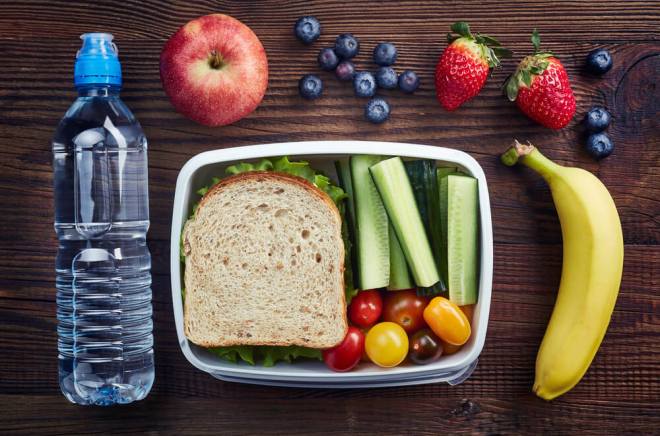
~ It really is ok for them to take water in their lunch too. You can buy small mini bottles to fit in boxes.

~ Offer whole grain breads over white bread.

~ Baby carrots or other veggies are often a fun snack. Include a small container with some dressing if your child likes that.

~ Prepare fruits or veggies to make them easier to eat.

~ Protein foods will keep their tummies full feeling. Cheese sticks, hard boiled eggs, yogurts all are good protein sources and easily portable.

~ Don’t underestimate the nutritional value of a good peanut butter and jelly sandwich. Peanut butter is nutritious, filling, and a great healthy eating option. It offers 8 grams of protein  for 2 tablespoons

~ Opt for whole wheat crackers and breads

~ Milk can be purchased at school which is often colder and more palatable than if it comes from home in a thermos or container. Yikes.. the days of warm milk….

~ Sweet treats are fun and kids enjoy them. Just limit the amount that goes into their lunches. Excessive treats take away from the actual idea of having “a” treat.

~ Consider making roll ups with turkey and cheese in whole grain tortillas instead of using bread.

~ Individual fruit cups are less perishable, look for ones without added sugar.

Our children have busy, active days at school learning, playing and constantly moving. Make sure the bulk of their calories are nutritious and filling to give them energy for their entire day.

Do you have any lunch box tips or tricks for healthier eating ?
Brown-Bag_Healthy-Back-to-School-Lunches

Yoga, Again.

Yoga. I’m at it again. Well, I’m attempting to be at it again perhaps I should say.  I went to some classes a year or so ago and have been doing my own thing.

I took home what I learned and at night while I watched some tv I’d get on the floor and roll out my muscles and then put some of those moves into practice. It felt rather nice to stretch and work my body in a different way than what my usual fare was.

But I haven’t done any organized classes since then… until now… and I’m thinking it will make a good “rest day” activity.

With all my training for the duathlon, I am definitely kicking my own tail and figured a little yoga could keep me loose for doing what I love.

Last week was my first class. Or is it? Is it my first class or a continuation of what I had already learned ?? ha

20170824_074243
Hair and make up done with my athletic clothes?? I feel like a poser haha  Off to my first ( in awhile) yoga class…


Anyway, it all came back to me really fast. And I quickly remembered a few things about it…

Yoga is a lot more slow paced

I’m fairly high energy and thrive on it athletically. Coming into a yoga class where all the sudden it’s single moves, being held, and a focus on my breathing …. yeah… a different game from flying down the road on a bike or running for miles.

There’s a reason why yoga is all about a turning inward, an inner mental focus and stillness.

It is a physically and mentally calming activity. I will freely admit it takes some work to rein in my active thoughts and just key in on what I’m doing, how I feeling, my breathing , and nailing whatever pose we are being led in.

Yoga forces me to slow down.

But before we go on… what IS yoga… exactly?

Maybe when you hear the word the mental image comes to you of a seasoned man sitting on top of a mountain lost in meditation for days on end.

I tease, but I’m sure there are images you may get when you hear the word.

Yoga is an ancient practice that has become increasingly popular. it is a meditative practice that leads you to focus on your inner self and to quiet your mind and thoughts.

Supposedly the reason why there are no mirrors in classes is so that you can focus on what you are doing and not be worried about what you or your neighbor look like in a pose.

The goal during yoga is to challenge yourself physically but not feel overwhelmed. At this point your focus is on your breath while your mind is accepting and calm.

I know from what I do on the road, how very important my breathing is to what I do. Deep, even  paced breathing serves me well not only on the long stretches, but more importantly when I’m doing things like taking on big hills when I need my breathing strong and even and not shallow and rapid.

BUT get me in yoga pose, and I need to remind myself to breathe! ha

So the act of yoga is to quiet us, to quiet and relax our minds as well as our bodies. It’s almost humorous to me writing that line… because some of those moves are just flat out hard and not necessarily “relaxing” for me although it seems to come later after I’ve been stretched out well. Maybe it’s ’cause I’m still new at it and in time I will reach that perfect state immediately.

Are there other benefits to yoga?

Besides the obvious benefits of relaxation and mental clarity there are many benefits to actively practicing yoga.

On a physical level, yoga helps improve flexibility, strength, balance, and endurance.

About that strength thing… I remember my first class finding out how many moves really do require a great deal of strength. It was nice to have some strength to fall back on in those poses. I can see with consistent effort, yoga would build more body strength.

On an energetic level, yoga teaches you how to cope better with stress by cultivating a sense of ease in both active or passive poses.

On a psychological level, yoga helps to cultivate mindfulness by shifting your awareness to the sensations, thoughts, and emotions that accompany a given pose or exercise.

Trust me, you are aware of the sensations holding some of those poses!

Yoga is also good for circulation, improved posture, flexibility, it could help with fighting arthritis, builds muscle strength, protects your spine, and  yoga could also help you become a more conscious eater as you become more mindful of yourself. Yoga can also help you become more focused as you have to learn to focus on the present. It can also improve your balance and better balance means less falls. This is especially a problem as we get older. Practicing balance moves could prevent falling.

Also, another by product of yoga is deep sleep, some studies suggest. Of course I’ve found long rides or runs can also contribute to it as well 😉

My yoga goals

If I want to have a flexible, loose body for the things I do on the road, yoga will be good to help keep my body loose and flexible.

Going to a once a week class will solidify moves in my head and then I can continue to use it as a rest/recovery activity in the evenings.

I need time to slow down in a physical way. Yoga reminds me that my high energy needs to be tempered sometimes and that’s ok.

I want to stay bendable! My instructor had us in this pose that was almost a half split and she encouraged us that with a little practice it would come to us. I did the splits ages ago but you know, I grew up and stopped doing stuff like that.

Back bends, head stands, the splits… activities we seem to put away as we get older. She said she never stopped doing them.

It was a reminder to me, and to all of us really, if we want to keep using our body and have it be strong and flexible, we need to always be using it.

Age isn’t an excuse to not use our bodies.

Stretching, bending, pushing ourselves a bit more shouldn’t be limited to a time in our lives, but it should be something we do ALL our lives to be strong and productive so we aren’t limited  in the physical bodies we live in.

Use it or lose it.  I don’t want to lose it.

It’s why we get weak, we don’t use our bodies to lift, bend, stretch and move.  It’s why we stop being able to run because we act like it’s an activity for just the playground. It’s why we allow ourselves to sit on the sidelines as we get older because we haven’t used our bodies in the way they are meant to be used.

And a few of my favorite poses I realllllyy like….

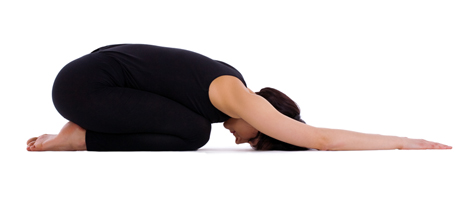
BEGINNERS-Pose-Child-Pose
Childs pose. This is my go to move to just stretch my back, shoulders and spine. This is a “rest” move during yoga. It feels amazing.


front fold
Front fold. I love this for stretching out my legs and believe it or not, hanging upside down can feel really good.


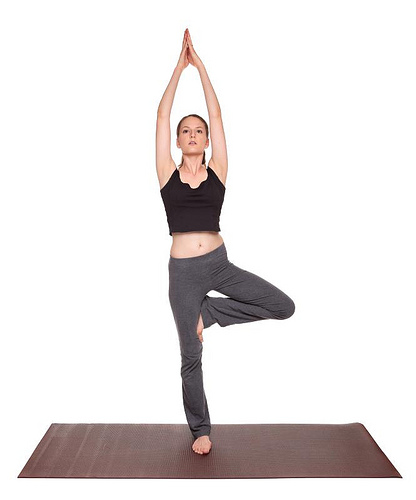
yoga poses - Tree Pose position (vrksasana)
Tree pose. Excellent for balance practice. This is fairly easy for me but I attribute it to all those single dead lifts I do 😉


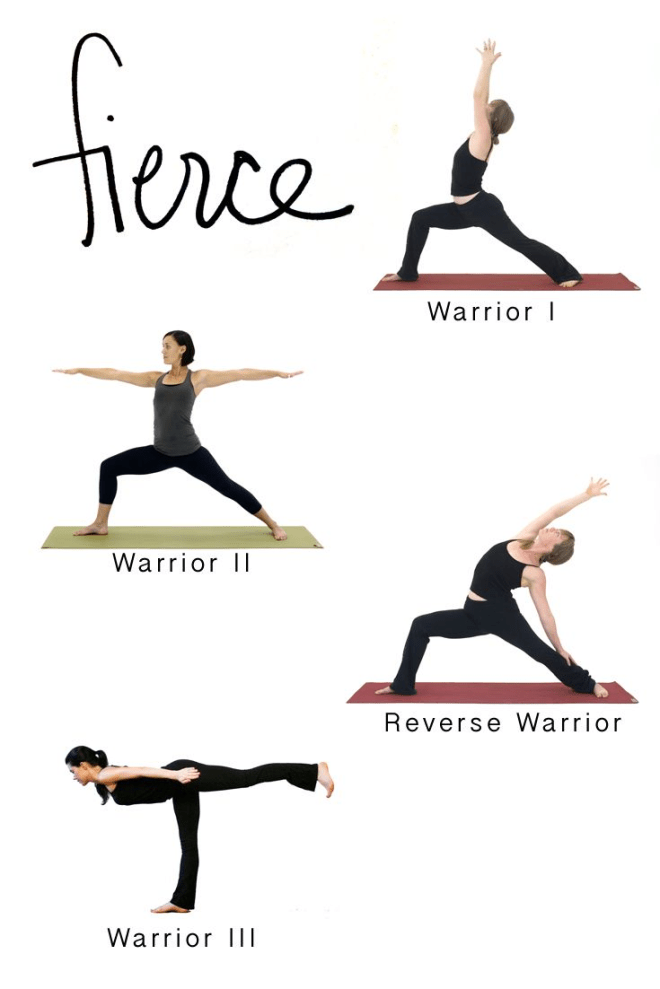
warrior
I saved my favorite for last. I love all of these poses. They do require a great deal of strength and maybe I enjoy doing them because they feel strong and powerful.


Tell me. Are you a yoga lover? Have you tried it before? Or actively practice it now? What benefits have you seen with it ?


Transformation: It’s The Small Things

As I’ve meandered along these past years on what I refer to as my “journey” in fitness and nutrition,  I’ve had opportunity to talk to a lot of people who are on the same path, or trying to stay on it.

Some are successful and have found the right “blend” that works for them, the thing that is sustainable allowing them to keep after it day after day and still live their life.

Others are still struggling, battling against various issues that push them back from staying on that road to success.

I’ve seen people excitedly get started and then I’ve watched the excuses start creeping in. Excuses for eating poorly or not getting exercise. Excuses for why there isn’t a loss on the scale.  These reasons seem justifiable to them.

And I know as well as anyone how you have to battle back against excuses that creep in and try to side track you.  Because in the beginning, they always do. And it’s easy to give into them because you haven’t been grinding it out long enough to make these things a habit.

You haven’t been doing enough purposeful exercise so it’s easy to tell yourself that missing today won’t matter… until it bleeds into the next day… and the next… and then you aren’t doing it at all.

You haven’t trained yourself to turn a blind eye to the box of donuts in the office break room or pass on eating seconds because you mentally know and understand these practices won’t support your current health goals.

So many things go into our success ( or lack thereof) when it comes to our health and fitness goals.

So many things must be done and built into new habits to contribute to our success. Without building these skills, we will keep sliding back to where we’ve always been.

It takes a measure of discipline, hard work, and the ability to have days we fall and get back at it.

It’s all those small things we do consistently that lead us to where we want to be.

If there’s one thing that stands out working with people ( and those who get discouraged and give up) it’s this….

No matter what you tell someone, those small things, done daily, add up.

Unfortunately, they have thoughts that all their weight will magically go away in a week or two, forgetting they’ve been adding it on for months or years.

They start exercising and get frustrated that their body is reminding them it hasn’t done work like this in a long time, if ever. And trust me, if you don’t think you’re “out of shape” before you start an exercise program, you do when you’re body is gasping for air or aches the day after you’ve done something.

It is enough to make you want to quit before you even get started.

Raise your hand if you’ve been there. Yeah, I have too.

But when you decide you’re in it for the long haul, and you settle in to just living life, and then you just do those things that need to be done as a part of your life, changes will happen.

It’s the small things.

Yeah,  I know in the world we live in today it’s all about instant gratification, quick results, no discomfort, and easy results.

Sorry. It just doesn’t play out like that in regards to  health and fitness.

Small choices we make, small moves we make, small daily consistencies, add up.

I was thinking the other day, plowing up hill after hill doing a 5k run for the duathlon how doing it was  hard work, but work my body has adapted to and learned to respond to. My heart and breathing are strong but not in that horrible way when I was out of shape.  I also have a fast recovery heart rate now as well so when I finish, it doesn’t take long at all to be breathing normal again or have my heart rate back in a much lower zone.

Of course it wasn’t always like that. When I first started taking on hills, depending on size, I’d maybe do part way up, and then reverse my route. As I got stronger I walked strongly all the way up. As my cardio system got stronger too, I could walk them and not have my heart pounding so fiercely or be breathing as hard like a fish out of water.

Eventually, I was just all out running them. It’s such a cool feeling when my body just kicks in and does what it’s been trained to do.

The steep grade of the hill and how my legs feel pushing up it. How my body position shifts. How my breathing changes to a deep even rhythm to push on.

Small choices and activities led me to that point. Small choices also led to weight loss, getting stronger and doing more athletically.

I cant stress enough to you… if you’re on a mission to get fit, to get healthier, to lose weight. to train for an Ironman, whatever your goals are… those small choices you make each day will get you to where you’re going.

You might feel like what you do today doesn’t matter or it’s not “changing” anything. You might feel like that longer morning walk wont  result in anything or skipping on that extra treat won’t matter, but it does. Do that in a week, you’ve made progress.

And don’t forget, there is SO much going on inside you that you don’t see. Changes, growth, energy being built from what you’re doing, fat leaving, muscles growing. Your body beautifully adapting to the new changes you are putting it through.

All from those small, daily, consistent things you do.

Don’t give up. Don’t quit.

The reward is big when you don’t.

small changes


Weight Loss And Salads

Another came rolling through again. The obligatory salad post with some “diet” caption attached to it.

I see them often.

The person is usually getting on the diet wagon and where else do you start, but by eating salads, right?

Now hear me out.

I’m not knocking salads. I love them. They are often my lunch of choice because well, I simply enjoy eating veggies, they fill me up, don’t make me feel sleepy, and leave me feeling energetic.

Salads done right are a wonderful meal and offer endless amounts of creativity with them.

Sadly, some I see, I’m left thinking that the poor person will be starving soon ( no protein in salad) and often lacking a good variety of veggies in it.

We have also been conditioned to think of losing weight and getting healthy in forms of deprivation.

Nothing fun or tasty.

A boring iceberg salad mix with a few cherry tomatoes thrown in, a bit of cucumber, and maybe some shredded carrot.

Yay. Go to town on that.

After all to lose weight, you gotta suffer right? Be miserable? Hungry all the time?

No, not really. Not at all.

Well, what works then?

There are many things on the market promising weight loss. There are lots of “trendy” new diets you can commit to if that’s your thing.

None of them are magic. None of them have some super power over the other. Some offer restrictions, others take food groups away from you, some have you eating gobs of fat, some give you barely enough calories to operate on, some offer “meal replacements”… gosh the list can go on….

At the end of the day it’s simply science.

We lose weight when we take in less calories than our bodies need for daily functioning.

You could achieve it on an Oreo and milk diet although I wouldn’t recommend that…. mainly ’cause I’m not into Oreos  😉

You create a deficit  by calories and activity level and in a slow and steady way weight loss will occur.

You need to reduce your daily calories by about  350-500 a day to lose weight.

How the heck do I do that?

I’d say start with things that might not matter a lot or that you could easily reduce. Do you stop for some sugary drink at Starbucks or the local coffee shop?

Do you have any idea of the calorie, fat, or sugar content of it for the size you buy?

Go ahead… I’ll wait.

Google it up and look.

Are you shocked? Most people are.

How much sugar or creamer do you add to coffee?  How many sodas or sugar drinks do you consume? Alcohol?

I’d say the best thing to do is simply write down all you eat in a day for about a week.

Be honest. Don’t try and hide anything from yourself. This will give you a guide of what you eat.. the good and not so good.

This will be your starting place to look at where to weed out those 350-500 calories a day.

We often mindlessly stuff things into our mouths without recognizing that yeah, those calories do count.

So do an honest assessment with yourself if you want to see where you can reduce or cut out to help lower those calories while keeping the more nutritious foods in place.

Speaking of nutritious foods…..

Consider foods you like that are healthy and offer your body good nutrition. You know I don’t really like to label foods, but let’s be honest, there are many foods that offer more to our health, feeling good, being energetic and losing weight than others.

Whole grains, fruits, veggies, lean meats, dairy products all offer an abundance of goodies for us to choose from to plan our daily nutrition needs.

Vegetables and fruit… consider this…

On average, only 14 percent of American adults consume at least 2 servings of fruit and at least 3 servings of vegetables daily.

14%.

Sadly, in my communication with people I’m always staggered at the truth of that. The very idea of vegetables is something repugnant being offered to them.

You can eat a whole lot of veggies that fill you up, keep you feeling energetic, and come in really low on the calories.

They can be eaten raw or cooked in all kinds of ways that are delicious.

Here’s the deal… if you’ve trained yourself to eat not so nutritious foods, you can train yourself to eat foods that support good health and weight loss.

And you have trained yourself to eat and drink the way you do now…..

It just will take some time and intentional effort on your part…. you know… that habit thing I always blab about….

I was at a dinner party recently and the couple across from me were, well honestly, really over weight. The wife was telling me how she was trying to get him to eat vegetables and he was telling me about ones he had been “trying” and she said “I’m even trying to get him to eat brussel sprouts!”

I said “Oh, how are you preparing them?”  (Help me. I already knew the answer before it came)

“Oh, I boil them!” she said smiling at me

I tried to contain my face and not imagine them boiled and rolling around the plate like little green heads… boiling them is like the kiss of death. Boiling them is the reason people rebel against eating them 😉

I told her for a change, that would be tasty and healthy, to slice them up, toss them with a little olive oil, cracked pepper and sea salt then roast them till they started to get crispy.

Her hubby definitely perked up to that.

Seriously though. Learn to experiment with vegetables. Roasting brings out the best flavors in them. Some do better lightly steamed but most anything can be roasted.

Now about those salads….


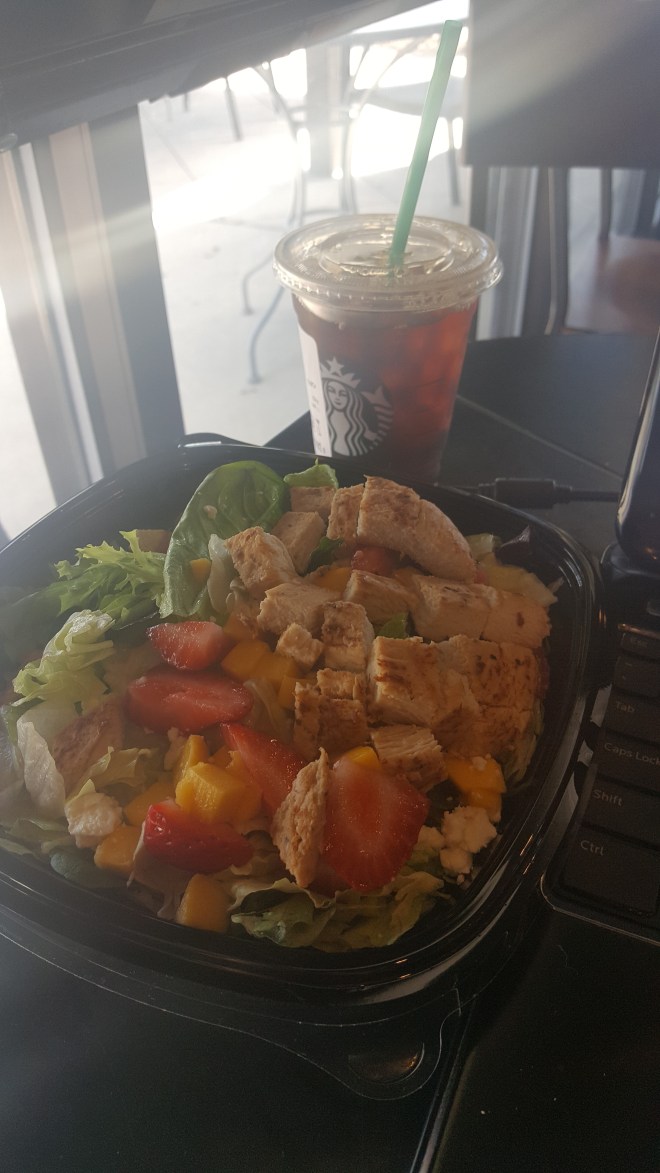
20170822_142237
Pure deliciousness. Writing, iced coffee and this new amazing salad from a local fast food joint of all places.


Just a few tips on making a good salad for your meal.

~include a variety of colorful veggies. Peppers, radishes, tomatoes, avocado, red onion, broccoli, really anything can be added.

~ don’t be afraid of tossing some fruit in. Blueberries or strawberries can make a good addition to a green salad.

~ Don’t forget a healthy dose of protein… this keeps you from getting hungry soon. Feta cheese, grilled chicken, canned tuna, boiled eggs etc can be great options to add in.

~ healthy fats like avocados or walnuts are a good addition to your salad

~ go easy on salad dressings or this will negate all the good efforts of your salad. Be mindful of calories and fat and the fact a serving size is usually like 2 tablespoons… yeah.. go ahead and measure that out…  look for low calorie ones or better yet learn to whip up your own healthier alternatives.

I’ve found the more creative the mix of my salad, the less I really want any dressing or at best just a minimal amount.

So post those salad pics…..

Seriously, if you’re on the road to dropping some weight, good for you! Salads offer a fun, tasty and super healthy way to get there. Make them satisfying to your tastes and share your creativity. It’s ok to enjoy your fruits and veggies.

Keep in mind as well, a balanced nutrition plan, with a small daily reduction of calories,  will lead to weight loss and keep your energy level up in the process.

What is the way you find most successful to lose weight? Are you good at eating your fruits and veggies?

The Journey Of Ordinary

 19619650_10213238016925927_277233994_o


Ordinary ~  noun~  what is common place or standard.

It had been one of those whirlwind days for me when I realized it was already midafternoon. My morning was behind me and I was full speed into the rest of my day. I received a message from my husband that at first seemed, odd.

“I rarely say anything about your blog other than to discuss the content of what you wrote on that day, nor do I ever really disagree with you on something you wrote. But I’m going to disagree with you on this…”

Well obviously, he had my attention. He is pretty much the only one who’s opinion I want or care about and of course I was wondering what he had issue with in regards to my writing that day.

I waited for the rest of his message to come in…..

“You wrote that you’re an “ordinary” athlete.  I disagree. You are far from “ordinary” as an athlete.”

Obviously, I wasn’t expecting that. Obviously, he couldn’t have said anything cooler to me.

Of course, he was picking it out of the entire context of my post that day. I was simply using myself as an example of someone who wasn’t like… you know… an elite athlete or even one who had been an athlete through school or something like that.

I got what he meant. I know that I do a lot more athletically than the majority of people my age, heck, even those a lot younger. I guess I’ve become so accustomed to doing what I do, I forget that normal people think it’s weird 😛

Here’s where I’m going.

I used ordinary for a reason.

I wanted ( and still want) people to relate to a woman who had no athletic back round,  and who had no interest in any kind of serious athletic events. A woman who was literally smack in the land of “middle aged” who had taken care of everyone around her but herself for the longest time. Middle aged, carrying more weight than she needed, out of shape, with a family history of (potential) health problems in the future if she didn’t change up her ways.

It’s a standard thing to tell people I really started off as a “reluctant walker”. I knew I needed to do something so I dutifully logged my 2 mile walk every day. No matter what, I did it. I did it till it got into the pattern of a new habit.

I grumbled. I complained. I whined.

An over weight, middle aged, ordinary wife, mom, sister, daughter, jack of all trades, woman just kept at it each day.

I had no lofty athletic goals dancing anywhere in my mind… at all… in any direction. If anyone told me I could be a strong athlete, I would’ve laughed. The idea seemed preposterous.

Funny thing about making new habits….

They stick.

New habits turn into new desires. New goals. New plans.

What I didn’t know as an ordinary woman, out on the road, building that new habit, not only was it changing my body, it was changing my mind.

I was learning more about myself than I previously understood.

~ my body could go farther!

~ it could walk faster!

~ that walk could be turned into short runs!

~ those short runs could be turned into longer runs!

When I’d come back tired, I’d think about what I had been able to do. I developed a new appreciation for what my body was capable of, that I hadn’t given it credit for. I saw how it over time, began to adapt and change from the activities I put it through.

My weight dropped off.  I got stronger. Muscles showed up that hadn’t been there. I developed a great endurance capacity.  My mind was getting stronger. ( that, is where the real playing field is boys and girls)  you get your mind strong, you can own the world.

Somehow, I managed to sign up for my first race which was a half marathon ( #overachiever) I found out later that most people start with a 5K.

I just kept moving forward. It’s safe to say at this point I was getting hooked. I actually liked what I was doing.  I looked forward to exercise.

Year, after steady year. New goals, new plans, new dreams.

They didn’t come all together, those goals.

Heavens no.

Safe to say I would’ve felt enough fear? uncertainty? to cause me to run the other way if those things all were presented to me at once.

I was just, you know, an ordinary woman, turning into an athlete.  That’s not said with any vain thought…. it’s just an acknowledgment of where I am now.

I am strong. I am capable of doing more physically than I ever would’ve imagined. I am an athlete.

If I look at where I am today, and where I’ve come from, and what I can do now, then yeah, I guess I’d agree with hubby that I’m not “ordinary”.

Becoming a good athlete has been born from hours and hours of work, sacrifice, dedication, tears, tired muscles, frustrations, down right stubbornness, and an unwillingness to give up.

This is your reminder…..

This is what I want you, others, anyone I interact with, to remember. If an “ordinary” woman like myself can accomplish goals and events she never would have imagined, you my dear reader, can do anything you set your mind to.

If you’ve entertained ideas on doing something specific, write down the steps you need to move that direction. If you just think you’re only goal at this point is to get off the sofa, well, go you! Do it. You never know where the path from the sofa may lead to.

Don’t let your thinking be crowded with thoughts that only certain people can do certain things.

Extraordinary things can happen when “ordinary” people get to work.

Tell me something cool you’ve accomplished that seemed impossible or that you never thought you’d see yourself doing. Did you ever feel to “ordinary” in the sense you thought you didn’t have what it would take to do it ?


Food Vs. Supplements

Sticking-to-Whole-Foods-vs-Supplements-in-Your-Everyday-Diet-765x510


Commercials. If there’s one thing they are designed for it’s to sell you on the product at hand.  To convince you that your life will be better with it. They want to make you spend your money on it.

You name it, nothing seems to be off limits anymore. One has caught my eye several times for an anti-aging skin care product… not because I put much stock in products that promote that. The cream supposedly has blackberry extracts to contribute to keeping a young look.

Of course my first thought was… why not just eat those suckers instead of using a cream that may have a touch of blackberry extract in it? They are a staple in my food consumption almost every day… I think it’s better eating them than slathering them on my eyes…

Blackberries are loaded with Vitamin C with a serving at 3.5 oz, offering 35% of the daily allowance, that serving is only 43 calories, and they are an excellent source of soluble and insoluble fiber. A serving offers 5.3 grams of fiber. This humble fruit is also loaded with all kinds of vitamins and minerals and antioxidant properties. These antioxidant compounds protect against aging, inflammation, cancer and other neurological diseases…their dark color is a sign of their high antioxidant content.

Now back to the skin care with blackberries being marketed as an anti-aging cream.

If blackberries are loaded with so many good things in such a tiny package, and are a huge anti-aging food, you should be eating them up and not just slathering a bit of cream on your skin that may have miniscule amounts in it.

You’ve heard that saying you are what you eat? Nourish your body from the inside out.

There’s a huge market right now for supplements and health products on the market. They all offer a replacement option to the actual thing… real food.

Vitamins. Minerals. Health aids. Probiotics. Protein powders. Colorful drinks. Meal “replacements”.

That’s my favorite. I don’t want a meal “replacement”.

I want real food, thank you.

This, that and the other. So many things vying for your attention and your money… mainly…. your money.

A quick stroll down the health and supplement aisle will have you believing you need these products to be healthy because well, you know, eating balanced, nutritious food just isn’t enough to keep you healthy, vital and energetic. Certainly you are lacking something…so take a supplement. Use our drink. Take this pill.

We’ve had this pushed at us for so long, we’ve started to buy into it…literally.

One of the biggest markets right now has to be with protein/supplements/shakes/add in’s etc.

Often people purchase thinking they need it, especially if they are spending time in the gym. I mean, isn’t that just a part of it? Like lifting, sweating, making gains.. you MUST be chugging down protein?

OK first… a quick look at what whey protein is

Milk is made up of two proteins, casein and whey.

Whey protein can be separated from the casein in milk or formed as a by-product of cheese making. Whey protein is considered a complete protein as it contains all 9 essential amino acids. It is low in lactose content.

This is what you see mostly in the aisles of stores.

Whey protein is used for weight loss and to help protect and build muscles.

If you use it, it should in balance too. Over doing on protein supplements can cause health issues such as stomach pains, cramps, reduced appetite, nausea, headache and fatigue.

A friend recently sent me a story of a young woman who was training and working on building her body for fitness competitions.  She evidently lived on a pretty steady diet of protein supplements/drinks/high protein diet etc.

She was found unresponsive in her home and later died. Evidently she had a rare genetic disorder that stopped her body from breaking down protein properly. This caused ammonia to build up in her blood and an accumulation of fluid in her brain.  Unfortunately, this isn’t really tested for and only found after her death.

I know you’re sitting there thinking… “well, this is a rare thing so… people don’t need to really worry about this” …

the fact is, to much of anything isn’t good for us. Our body can only use and process so much protein at a time before the rest of it’s washed out. Excess protein will not make us have more muscles or achieve a better level of fitness.

I love protein and it definitely keeps me satisfied and from feeling hungry. I know it feeds my muscles and helps them to get stronger, and even grow a little. My protein comes from food sources, although, after long endurance workouts when my appetite is not there, I will use one for recovery just to get some carbs and protein in until my appetite returns.

People are “sold” on the idea that food isn’t enough. Or if a supplement/vitamin/ drink is good, more should be better.

We are bombarded with products in the store, online, and even what our neighbor is pedaling that is supposed to help us fix all of our ills ( which we don’t even know we have till we get the product to miraculously cure them all)  There are a few out there that are promising to “cure’ more and more things. Just note, I’ve seen new fine print that says it’s not FDA approved and that its not to prevent, cure or treat diseases)

Once again I’ll say this, our bodies are made in a beautiful balanced way, needing just a certain amount of vitamins and minerals for optimal health. To much of one thing could be enough to make you sick or throw off another vitamin or mineral in your body.

And don’t be lead astray by companies trying to sell you on the idea you’re “lacking” something and need to take their product. The only way you know you’re deficient in something is usually through the doctor after having lab work done. And if you are worried about something, talk to your health care professional!

Case in point… last year my husband had labs done and was found to be deficient in Vitamin D. Yes, he has been using a supplement with his nutrition to get his levels where they need to be.

Don’t be led astray that you “need” something without any evidence for it.

So here’s the deal…

good quality, nutritious food IS enough.

It is enough to give your body daily fuel, sustain it for workouts, your daily activities, and help you build a stronger more fit body if that’s your goal.

When you cut out non-essential foods that don’t contribute to your health and fitness goals and focus on eating nutritionally balanced foods, your body will respond, especially when you add in a good healthy dose of exercise.

So many of the problems we deal with today can be improved on with better nutrition, getting the non-essential foods and drinks out, exercising more and maintaining a healthy weight.

You don’t need supplements, shakes, drinks, potions or anything else to build a healthy body. We need to be careful about extra things we put in it lest we throw off the perfect, beautiful, balance that its naturally made to operate in.

Do you or have you used supplements ? Do you feel they helped you?  Have you ever felt like you just had to go along with what was currently popular?

In Pursuit Of The Ideal Weight

ideal-body-weight


“I want to be the weight I was in high school!” says the middle aged woman… “I want to weigh what I did when I played football” declares a man

These are weight ideals that men and women have every day. When they begin to focus on a goal for weight loss for some reason, the weight they were in the past and they felt like they were “their best”, becomes the new and current focus, even if they haven’t seen this weight in decades.

Where as there’s nothing wrong with this, it could also just be an unrealistic goal based on where you are today in your life.

Perhaps there’s a sense that once that “ideal” weight is reached there will be a feeling that you’ve “arrived”. Or it could be an assumption if you got to that weight again you’ll be really happy. Maybe you view it as your body will finally be how you want it.

I guess the reasons could go on… however… it just might not be where you need to be… today.

Our bodies are beautifully designed to live in a perfect balance of a weight that is “good” for us. Yes, we can have times of our weight being lower but it might take a lot more work and attentiveness to our diet to just be able to maintain those numbers on the scale.

It certainly could be an unwanted burden to bear if you have to be constantly watchful of everything you eat to stay at that perceived “good” weight.

That perceived weight goal you have might not be where you need to be at today in your life.

You might have a different job or more activities to keep you moving. You might have health issues or be on meds that don’t allow you to move to that goal. You might not “look” healthy if the weight is a bit to low for you.

But let’s not over look the fact that our bodies often have a preset weight that they can stay at and you can easily maintain and it might not be your predetermined goal weight.

Let’s establish this:

First there are a lot of factors that can determine our “ideal” weight.  Your height, age, gender, frame size, muscle to fat ratio, and body fat distribution all play into your ideal weight.

You could be the same height as your friend and maybe trade off borrowing clothes, but I can guarantee your body composition will be very different.

There are several “tools” that doctors/health care professionals use to help determine an “ideal” weight. But again that is so subjective based on many things. Let’s take a look at a few ways supposed ideal weight could be determined.

One of the long time used meters is the BMI (body mass index)

Your BMI is calculated on your height and weight and a scale is used on what “normal” body weights are for the gender/age/ etc.

You can figure your own by looking it up on an online calculator. You can also do it as a math problem, but that makes my head hurt, so I prefer the handy online calculator to help with it. I already know mine, but maybe you need to figure yours out.

This can give a base line of “health”.

Standard numbers are less than 18.5 you are underweight, healthy weight 18.5-24.9, overweight 25-29.9, and obese 30 or higher.

This is a good tool but not a good indicator if a person is carrying a more “muscle to fat ratio” as their numbers can come in higher, although they are technically more fit and more lean muscle mass is definitely preferable to a higher fat ratio.

BMI is a surrogate measure of body fatness because it is a measure of excess weight rather than excess body fat.

BMI uses your weight in the formula but it doesn’t distinguish if it comes from an abundance of fat or lean muscle tissue. Athletes and body builders who carry a great amount of muscle  can come in with a higher BMI, which does not distinguish muscle mass carried.

Because BMI does not directly measure fat it can miscategorize people as healthy  who have a normal weight for their height when they are actually carrying to much fatty tissue.

You can see just using a BMI has negatives in both directions although it offers a guideline as a basic health screening.

Another more accurate tool is body fat percentage.

I learned a lot about this a few years ago. My doctor told me I fall more into the category now of figuring body fat than the standard BMI due to my lean muscle mass.  Many experts say that body fat percentage is the best way to go as it is the best way to gauge their fitness level because it’s the only measurement that includes the bodies true composition.

Using the body fat percentage would not make the couch potato seem more fit than an Olympic athlete as the case with just using BMI.

There are several ways of determining body fat percentage and although none are 100% accurate it will give you a close enough estimate.

Examples include near-infrared interactance, dual energy X-ray absorptiometry, and bioelectrical impedance analysis.

I’ll give you one other example.. that should be enough to over load your mind for today …

Waist to hip ratio

A waist-hip measurement is the ratio of the circumference of your waist to that of your hips. You measure the smallest circumference of your waist, usually just above your belly button, and divide that total by the circumference of your hip at its widest part.

Less than 0.9 for men and 0.8 for women is considered low risk for cardio problems

0.9-0.99 for men and 0.8-0.89 for women moderate risk of cardio problems

1 or over for men  and 0.9 or over for women is considered high risk

The WHR of a person is commonly said to be a much better indicator of whether their body weight is ideal and what their risks of developing serious health conditions are, compared to BMI.

The biggest problem with WHR is that it’s just not a good indicator of overall health, it doesn’t accurately measure the persons total body fat percentage, or their muscle to fat ratio. It is a better predictor of ideal weight and health risks than BMI.

So… your ideal weight…does it exist?

Your “ideal” weight is as unique as your daily dietary needs are for health and wellness.

A few things to consider about it…

Know roughly what your body weight range should be. If you are outside of that or know you are carrying extra weight ( and we all know when we have extra fat on us), a sensible plan will help you steadily knock of those pounds to get to a more normal healthy range. The ideal weight charts sometimes can give you a close estimate and some are ridiculous ( as in one that told me I should weigh between 108-112. Yeah, I laughed over that. At 6’0 those are ridiculous numbers) I do know what my “range” is, but for me that’s pretty loose because again, it doesn’t take in my lean muscle mass, my activity level, or any other unique aspects of my physical person.

Your ideal weight won’t necessarily be your high school weight or whatever other magic number you have in mind.

Once you are in a healthy weight zone, allow for a 5 lb. limit to swing back and forth in. Trust me. It’s freeing. Ladies, this is especially important depending on where you are in your cycle. I know that a few extra pounds that might show up mid cycle will go away as some water weight. If it’s water, things will balance out again.

Depending on your level of physical activity ( and I mean workouts most days of the week or specific weight training) you will build lean muscle mass. This level of body fat you have to lean muscle mass is your body composition. The more lean muscle you build, the better. Muscle isn’t “heavier” than 1 lb of fat, it’s just that fat takes up more volume or space then muscle. Muscle is more dense.  Understanding this, if you are doing very purposeful exercise all the time you can gain lean muscle but the scale might not change a lot on you.

Your ideal weight will become easy enough to maintain based on your daily food intake and purposeful exercise.

If you have to go hungry, restrict meals, workout more than usual, or do any other crazy thing to stay at a given weight, that’s your wake up call. Your body isn’t going to stay there unless you are constantly diligent and practicing those methods to keep it there.

Your ideal weight will allow you to do the things you love, to take care of your family, pursue active endeavors, or take on your daily purposeful exercise with lots of energy.

It’s great to have an ideal weight in mind, but having a happy healthy weight that’s sustainable for your life is even better.

Do you or have you strived towards an ideal weight? Have you found a place of balance with a happy healthy weight?


Weight Loss And The Non Supportive Partner

Spouse-sabotage.png


As I sit here rolling around ideas and topics to bring to you in this post (’cause there really are so many things to talk about, right? )  my mind is taking a little different bend on an area that might not be discussed often but it’s something that  I know some people deal with.

I talk a lot about weight loss, healthy ( sustainable) ideas to achieve it, exercises to support it and keep you fit, but what about the person who is trying to lose weight and get on a healthy lifestyle but has….

A non-supportive partner ?

What does one do when their support system is non existent or sabotages their efforts? I have to admit, this is a complete foreign concept to me as I’ve been blessed with a husband who has always been supportive of my efforts of anything I do, and not just losing weight.

Of course his position has always been… ” I love you no matter what size and shape you are” and good thing ’cause I’ve been many sizes and shapes in our 35 years together haha 😛

Seriously though, I’m glad he’s always felt that way, but never opposed to me improving either.

He’s more likely to chide me now days about not eating enough on my heavier training days than anything or give me a hard time if my day has been busy and I haven’t eaten in awhile.

In our time together I experimented with some different things along the way and he let me do my thing.  I got on the current path I’m on ( you know the sane, sensible, non crazy, sustainable lifestyle path) and that has just been a path that totally blends in with my family and has allowed me to stay successful.

I know not all people are as blessed to have such a support system. Cleaning out things in my moms home recently I came across a “Dieting Journal” she had started one January.

**Sigh** isn’t that when everyone thinks they should start? Anyway, I will share more about her insights in a later post but she had written something that I always knew because it frustrated her and always contributed to her not being successful.

Some of her struggles were wishing that my dad would be more supportive and helpful to her on her attempt to lose weight. I think he had a thing for heavier women, but I also wonder if he fell in the camp that if she did lose a lot of weight she’d be more attractive to men. ( this is a common problem at the top of the charts problem for people with non supportive partners)

He had a thing for junk food and he had ways of offering that at a point you’d finally give up and say ok ( like when he would offer me Peanut M&M’s 😛 )

She continued writing that he didn’t help her struggles and almost seemed to double up efforts to offer her foods that didn’t contribute to her being successful and how discouraged she was. At the time, they were on the go a lot and she writes about the fast food on the go and feeling like her day would be “lost” because of the foods they would eat.

So what do you when you have a non supportive partner and are trying to adopt a healthier way of living ?

What do you do when those around you say “you’re fine just the way you are”?

Well, yeah you are fine, but let’s be real. They aren’t the ones dragging your flab around, are they ?

Of course the implication is they love you “however”, but again, refer to my previous thought. They aren’t dealing with your clothes not fitting, or you feeling out of breath with simple tasks, or the fact you can’t bend over and get to your shoe to tie it, or how it all makes you emotionally feel. Nor are they considering your overall health.

I’ll sketch out a few ideas/suggestions that might be helpful.

First, ask why your partner or those around you don’t want you to do it? It’s ok to listen, but don’t let that sway your decision to be about what you want to do.

If it’s your partner there could be a lot of insecurity or worry. Maybe talking and reassuring them could go a long way to gaining their support.

Jealousy could be a bigger issue and one that’s harder to get around. They might simply not want you to get the attention it may bring.

Express your concerns. Tell those you love you want to do it to be healthier for yourself and for them ( it should always be about you first) this can be hard if you’re in an overweight family and everyone sees it as “normal”. It may be harder to convince them that you are doing it to have a healthier life.

You may have to just shoulder it on your own. However, in the process you’ll be gaining will power of yourself, after all, you and you alone controls what goes into your mouth. That is something no one can make you do.  It also falls on you to develop an exercise regime. Again, you are responsible for getting your body moving each day, no one else.

On that thought, you may need to stand firm from those in your life who might try and sway you from not doing it.  Make a list for yourself of how it makes you feel, and what your future goals are. Arrange things around your exercise time and don’t let other things try to knock it out.

Making healthy lifestyle changes in the mix of non-supporters can be hard but sticking to it will only develop your mental strength as well.

Go into it with a real mentality. People will offer you food you don’t need that won’t support your goals. They won’t be cheering for your exercise efforts. They won’t acknowledge the physical signs when your hard work begins to pay off.

It would be great if we got that encouragement for our efforts but it’s real life and we don’t. You can cheer for yourself as the pounds drop off and you slip on smaller clothes.

Assume that sometimes there could be someone who will attempt to make you feel guilty over the changes you’re making.

Honestly, that’s their issue. You… need to have none of it. Their issue is theirs. You just keep doing what you’re doing.

Learn to be direct. It’s ok to say no thank you to foods or drinks you don’t want. It’s ok to pass if you don’t believe it supports your efforts or if you just flat out don’t want it.

You don’t need to point out “you’re dieting” or “trying to lose weight”.  A simple no thank you is enough.

Try to keep this in mind….

many non-supporters have their own health/weight issues. Seeing you out there nailing it and becoming slimmer and more fit might just rub them the wrong way.

Again, it’s their issues, not yours. They may have their own insecurities or body image issues. That is for them to deal with, not you.

Be clear with your partner on what you need and what that support looks like. As in “please don’t leave my favorite cookies laying around” , “understand my workout will be the first thing I do in morning” or whatever it is.

Ask them to get on board with you. Maybe set up a friendly challenge to compete with each other.  Maybe he doesn’t need to lose weight, but might need to start moving more. Find something that might get you both going.

Keep your goals in sight, whatever that looks like for you. Motivational quotes, pictures, clothes anything that reminds you of what you’re doing.

Teach your partner about healthier food options, while letting them know they can still have some Oreos along the way too 😉

Finally, as much as you might want support, if you have to accept you won’t get it, remember you are totally worth the efforts and investment into yourself with healthier eating and taking time to exercise. Don’t get discouraged but maintain your focus on your personal goals. Hopefully, with some time and consistency, you will get a support team on your side to celebrate with you.

Have you had struggles with this? Have you lacked support in your quest to get healthier or starting an exercise program? How did you deal with it? Were you able to stay the course or did you quit ?


Understanding Emotional Eating

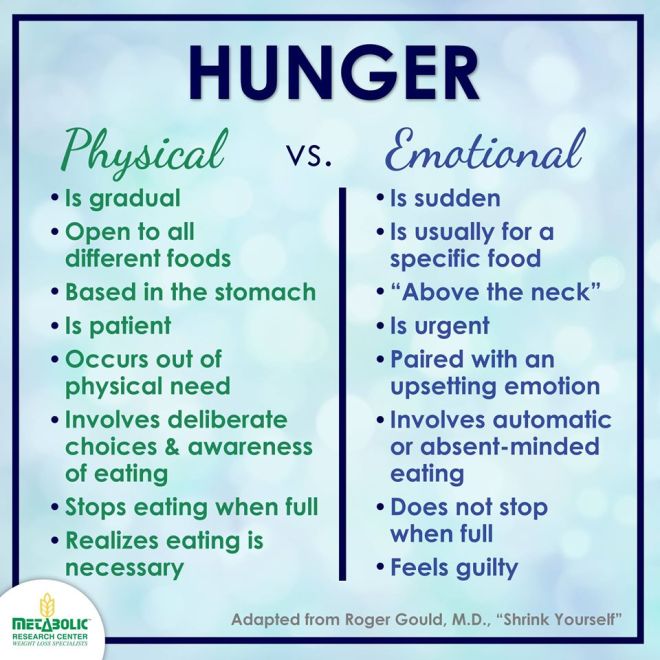
It’s 9:30 at night and you are for some reason, in the pantry studying the options, deciding what your poison will be. Cookies? Chips? Maybe the freezer is your thing… there are several varieties  of ice cream begging for attention.

You aren’t really hungry. Your stomach is quiet and you don’t have the physical signs of actually needing to eat food.

But there’s this driving urge in you….

And here you are… stalking the goods… out of what? Boredom? Loneliness? Anger? Hurt? Happy the day is over? Frustration? Hard day at work? Worry? Maybe you don’t even know.

Whatever the reason, it’s emotionally driven. You may be aware of it, or you may feel powerless against it. It may come on like a compelling urge and you act purely instinctively on it without pausing to think of what you are doing.

Many times, it may be completely mindless. Eating as you feed your mind food for your emotional needs.

Emotional eating is only a problem when it becomes a persons central response to  regulating their mood. It is a coping strategy.

What is emotional eating, exactly?

Stress eating. using food to make yourself feel better, eating to satisfy emotional needs rather than physical hunger.

Occasional eating for reasons other than hunger isn’t bad. Some degrees of emotional eating is normal. Food is typically the focus on holidays, celebrations, life events, funerals, weddings, etc.

However, if it is your “go to” , your primary coping mechanism, then there’s a problem.

You are in an unhealthy cycle where the real problem isn’t being addressed.

~ Emotional hunger can’t be filled with food.

~ Feels good in the moment but then you are left with guilt of eating whatever is bugging you.

QUOTE-FOOD-DISTRACT-DO-IT1

Identifying… are you an emotional eater?

Do you eat more when stressed?

Do you eat when you aren’t hungry or are full?

Do you eat to feel better? ( calm or soothe yourself)

Do you reward with food?

Do you regularly eat till you are stuffed?

Does food make you feel safe or like it’s a friend?

Do you feel powerless or out of control with it ?

Emotional eating craves specific comfort/ junk food or sugary snacks that provide an instant rush.

Mindless eating is not satisfied when full. Emotional hunger is not in the stomach. This also leads to negative feelings ( guilt, shame, regret) eating what you feel you shouldn’t have.

Food self soothes. Emotional eating is an attempt to manage moods with food.

Identifying triggers

it’s helpful to assess yourself and understand what can set you off. Situations, places, feelings, etc can cause you to reach for food.

Triggers wont always be negative but can be triggered by positive emotions too ( a reward for a goal, birthdays)

I mean really, who is ever actually hungry for birthday cake or some Christmas cookies? We eat it because it’s enjoyable and we are celebrating.

Common causes of emotional eating

Stress, stuffing emotions, boredom, loneliness, feelings of emptiness, social influences or even ingrained childhood habits can lead to overeating.  It’s important to find other ways to feed your feelings, alternate behaviors that have nothing to do with food.

If you don’t know how to manage your emotions in a way that doesn’t revolve around food you won’t be able to control your eating habits for long. Diets often fail because they offer logical nutrition advice – IF- you have conscious control over your eating habits.

They don’t/won’t work when emotions take over demanding a swift payoff of comfort foods. To stop emotionally eating you must learn new ways to fulfill yourself emotionally.

Understanding the cycle and triggers is a huge first step. You need to learn alternates to turn to and not food.

How to help yourself

Pause. Think. Reflect = different decision.

Can you wait?

While you wait…check in with how your feeling… what’s your emotional status?

Are you truly hungry? as in experiencing natural signals of hunger? Or is it your mind/emotions talking?

You’ve attempted resistance in the past with the belief that your willpower isn’t enough.

The truth is you have more power over your cravings than you believe.

Really.

By checking in with yourself, pausing, examining what it is you’re feeling you are more likely to make a different choice than just eating whatever you have in mind.

Learn to accept good and bad feelings. The root of emotional eating is feeling powerless over your emotions. You can’t deal with them so you avoid feelings with food.

Become a more mindful eater.

Mindful eating is a practice that develops your awareness of eating habits and your food.

Think about the foods you buy. Do you buy healthy foods? Do you buy trigger foods that will contribute to times of emotional eating? Think of what foods will nourish you.

Come to the table hungry. Not ravenous, but with your body giving you it’s natural signals it needs to eat.

Start with small amounts. I’m always amazed, really, at the small amount of food it takes to feed myself and deal with my hunger.

Learn to really appreciate your food. I make jokes to hubby about how amazing food tastes when I’m seriously hungry ( like after long workouts and I’m finally ready for food) not only does it taste awesome, it feels good going in ’cause I am really hungry. I have an appreciation for food with true hunger.

How it tastes and the satisfaction are so different than eating when you aren’t really hungry.

Bring all your senses with you to the table. Learn to smell, savor, and visually appreciate what you are eating.

Take small bites, chew well, and learn to eat slowly.  Doing so will let you really taste and enjoy your meal while allowing your stomach to register that it has had enough food.

Becoming a mindful eater also means staying connected with your feelings and how it impacts your choices in your day with food. It’s practice but with practice you can become more mindful of reasons why you eat when you aren’t hungry or feel like you’re emotions are driving you.

Some reflective thoughts….

I’ve shared several times in blogs my own awareness of coming out of a family of emotional eaters. I’ve talked about learning about myself and being mindful of it in my own life. Understanding that definitely helped me on my weight loss journey.

Sometimes I make very mindful choices that I want something, knowing full well, I don’t need it. Hubby wandered into the kitchen one night to find me perched on the counter top with a bag of chips, munching away.

I told him “I am fully cognizant I’m emotionally eating these right now” and the fact was, there had been some thing or another that had made me feel angst and I just wanted those stupid chips.

The thing about knowing and understanding it’s what I was doing? I ate some, reined myself in, and put them away.

I was mindful of my actions.

You might need time to get there. Maybe you’re at a point where somehow the bag disappears on you. Or maybe more cookies than you intended. Or a whole lotta ice cream vanishes. Or whatever your brand of poison is.

It might require work and effort on your part. It might be times of failure and times of success. The more you mentally engage with it, the closer you will get to not feeding your emotions.

This is such a big topic, you might find more on it in the future here. I think many struggle with it and it prevents the success they long for with weight loss. Gaining insight and understanding can help lead to success.

Do you have thoughts on this?

Have you struggled with emotional eating? Did you find ways to change it?  Do you struggle now? What has made you aware of it?

EmotionalEatingChart


The Athletes Body And Food

girl veggie runner


“With all of the exercise you do, I guess you can eat whatever you want?”

This is one of  several questions I  often get asked and the answer is, no, I don’t eat whatever I want.

I’ve tried these past few years to build a different relationship with food. Specifically, food in regards to exercise.  Maybe you need to build a different relationship too or maybe you’ve hit a balance with it.

The question I’m asked of course, is merely inquiring.

If I’m investing so much physical energy I should certainly be able to eat whatever I want. This naturally means freedom to eat all perceived “off limits” foods since I will burn them off.

Of course the game changer for me if you’ve read previous posts, is the fact I’ve set nothing “off limits” so I don’t necessarily feel the need to eat forbidden foods because I’m exercising.

I know it’s there, if I want it.

Since I started on my athletic journey a few years ago, I’ve made it a point to never treat exercise like a free card to eat poorly. I guess the idea of pouring myself out, working hard, and then coming in and wolfing down a donut and chocolate milk ( although chocolate milk can make a good recovery drink 😉 ) seemed rather, pointless and negating to all I had just done. Not only that, if I was training to get strong and healthy why wouldn’t I feed my body good stuff ?

So I learned to train my thinking, essentially reshape, another aspect of my relationship with food.

Our food relationship

I wrote about that in a post recently. Our relationship with food. We all have one. For many of us we will need to continue to define this relationship in regards to our athletic activities. We cannot treat it as a free card to eat extra or eat badly.

About eating extra…..

there’s a bit of a disclaimer to that. When my training has kicked up and I have days that I’m heavily invested on a physical level I know my calories will need to increase to support what I’m doing. This is where learning about my body, listening to it, and feeding it accordingly come into play. This isn’t eating extra just because I feel like it. Learning to support my body depending on my physical output that day is very different.

Same goes for you. If you are involved in physical activities, listen to your body, know your needs and eat to sustain your body for what you do. Eat accordingly on days you invest more physical energy and be more conservative on your non-exercise days or light training days.

Don’t use food as a reward for exercise

Yeah, I’m going there. I honestly cringe when I see posts or hear someone talk about getting to eat because they exercised.

Stop it.

Food and exercise both nurture your body. You don’t have to earn your food. On the flip side, you don’t have to abuse your body ’cause you had a burger and fries for lunch and feel you have to “work it off”.  As if.

Food isn’t a reward and you aren’t a dog being thrown a treat because you worked out.

Food is fuel for your activities

When our relationship with food is in a place of understanding that it not only nurtures us, but fuels our activities we can look at it in a different way. If we want to perform well we can’t expect our bodies to operate on food that isn’t optimal. It can shift from a mentality of  ” eating what you want” to “eating food that rebuilds your body and gives you energy”.

By all means, eat enough

Long endurance training sessions can seemingly kick my appetite in over drive for not only that day, but sometimes the next as well. I’ve learned to eat healthy foods to satisfy my appetite. Again, I listen to my body and feed it as needed. I try and eat enough, but not to much.

Listen to your body. Learn to feed it what it needs after your training. Focus on healthy foods to support recovery.

I will admit after heavy endurance sessions, food is often not on my mind as those workouts tend to kill my appetite for awhile. Intellectually, I know I need to get something in me.  I’ve learned I can at least get some protein and carbs in with milk in a protein drink, I also add a banana as well, this gives me a good blend of carbs and protein for recovery.

Eat what you like that satisfies you and gives your body what it needs for repair and restoration post workout.

Keep in mind that the goal is about caring for yourself, before and after exercise. Food should be used to maintain your health and wellness, but hey, if you need some chocolate in there at some point, go for that too 😉

How have you viewed exercise and food? Do you or have you, used it as a reason to eat more or eat lesser quality food? Do you think exercise is a reason to eat “whatever” you want? Have you changed your thinking on that? How did it help you?